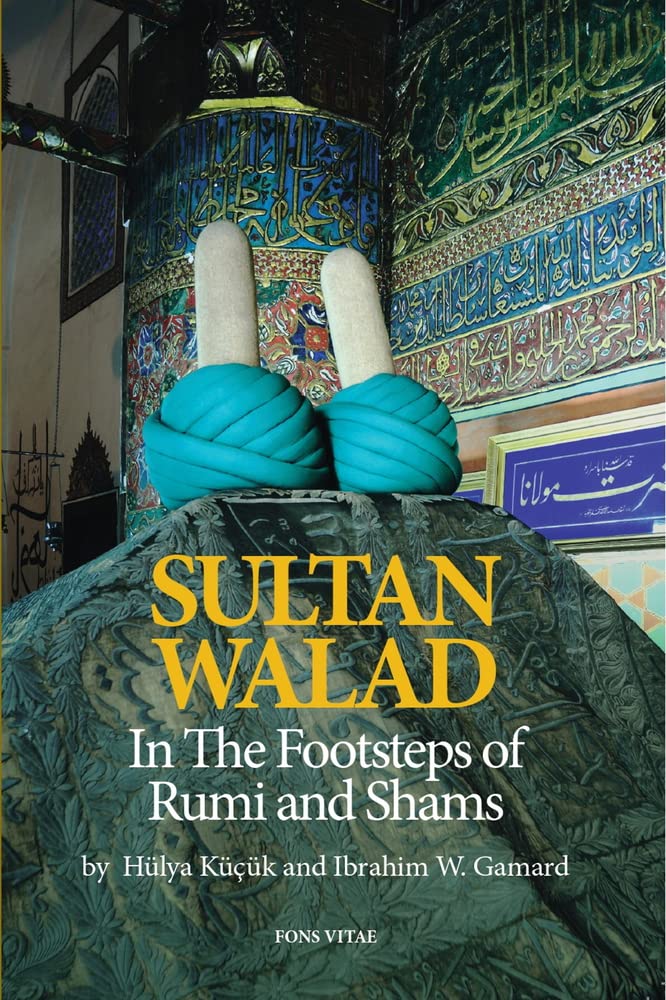
Sultan Walad: In The Footsteps of Rumi and Shams (a biography of Rumi’s son)
$25.16
$36.98
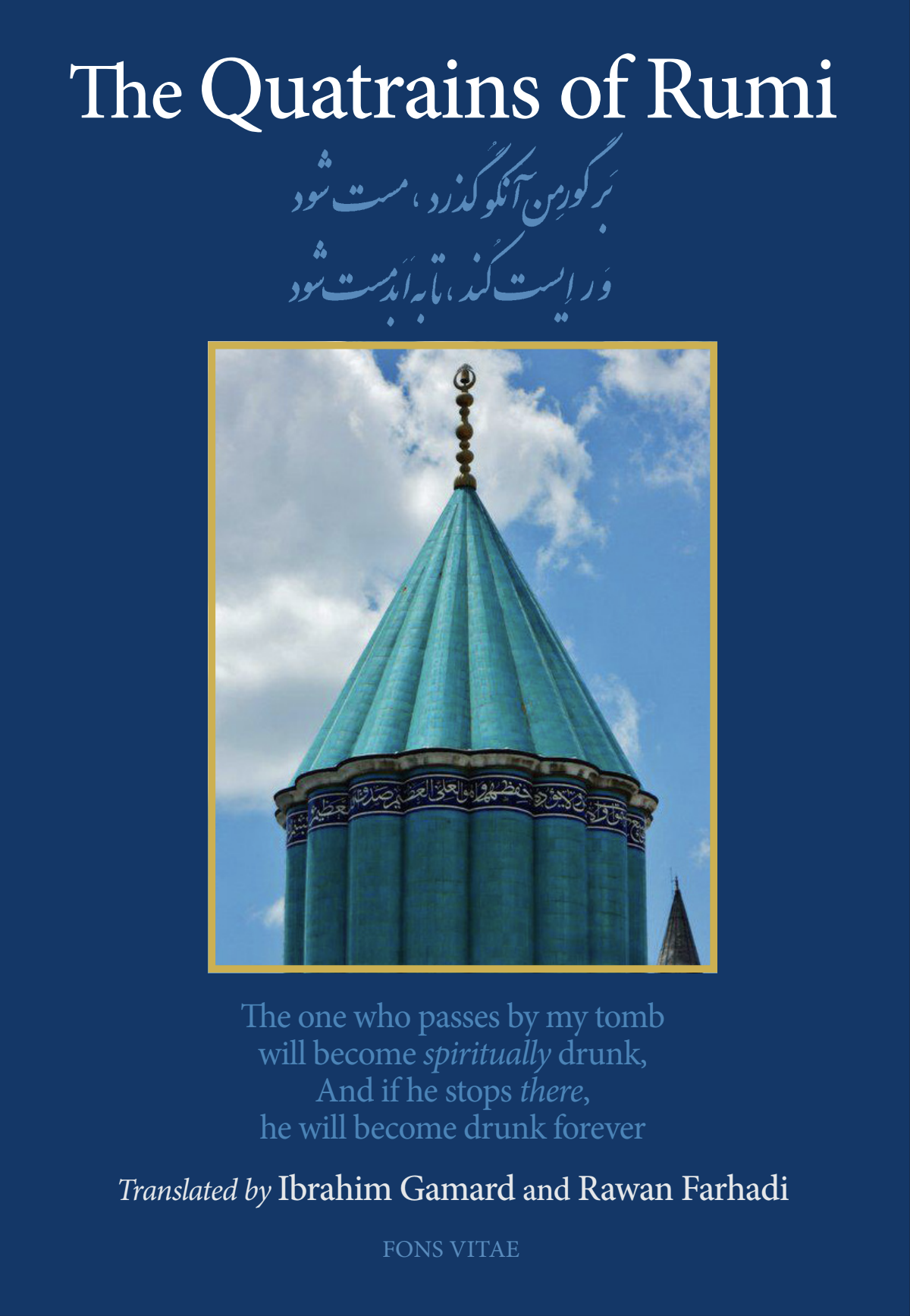
Product Description The author, Hülya Küçük, is a professor of Sufism at Necmettin Erbakan University in Konya, Turkey (the city where Rumi’s tomb is located). She originally wrote the manuscript in Turkish and subsequently translated it into English. After that, she obtained the help of Ibrahim Gamard, an American Rumi scholar, who edited the English, retranslated quotations originally in Persian, contributed numerous other improvements and was subsequently designated as co author. Foreword by Omid Safi, Professor of Islamic Studies, Duke University; Founder, Illuminated Courses and Tours Hülya Küçük is Professor of the History of Sufism at Necmettin Erbakan University in Konya, Turkey. She is the author of The Role of the Bektashis in Turkey’s National Struggle [2002] as well as other books and numerous papers and articles in Turkish. Her articles in English include ”Sufism: the Mysticism Developed by Muslims,” 2007; ”A Brief History of Western Sufism,” 2008; ”Sultan Walad’s Understanding of Sufism: Between Populism and Theosophy,” 2010; “Sultan Walad’s Role in the Foundation of the Mevlevi Sufi Order,” 2012, among others. Ibrahim W. Gamard is a retired Ph.D. psychologist living in California who joined the Sufi lineage of Rumi, the Mevlevi Order, in 1976. The next year he visited Rumi’s tomb in Konya, Turkey. In 1984, he converted to Islam and completed the Hajj in 1999. Soon after that, he began teaching himself Persian in order to study Rumi’s poetry. In 1985, he began a collaboration with an Afghan scholar, Rawan Farhadi, to translate the nearly 2,000 quatrains attributed to Rumi. This was published as The Quatrains of Rumi [2008]. Fons Vitae wishes to thank Anne Ogden for her excellent proofreading. Reviews For far too long, we have seen Rumi as a single solitary giant. Now we rightly see him as a zenith in the mountain range of Muslim spiritual luminaries. The Sultan Walad volume by Gamard and Kucuk helps us see Rumi's legacy through his son (buried beside him), who did so much to extend his father's monumental contribution. Congratulations on putting together such an important work on such a key figure of the Mevlevi tradition. It will help to restore him to the pivotal place he deserves in the history of Rumi scholarship. Omid Safi, Professor of Islamic Studies, Duke University